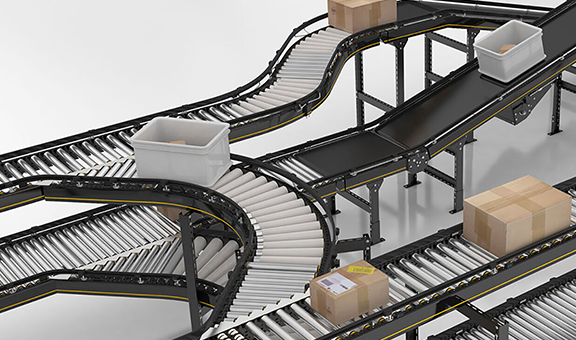
When you’re in the business of moving goods with solid, flat bottoms—think boxes, bins, pallets—you’ll likely be familiar with the trusty gravity roller conveyor. These simple yet effective tools are the workhorses of many a shipping dock, stockroom, and assembly area. Because they’re not just budget-friendly, they also keep ticking along without a fuss, requiring hardly any maintenance.Picking the Right Conveyor for the Job
Conveyors come in all shapes and sizes, designed to take on loads light enough for a single person to handle or heavy enough to challenge a machine. Here’s a quick rundown of gravity skate wheel conveyor types:
● Light Duty Conveyors: Ideal for smaller or lighter goods.
● Medium Duty Conveyors: The middle ground for items of moderate weight.
● Heavy Duty Conveyors: Built tough to handle the heaviest loads you can throw at them.
Factors To Consider Before Buying A Gravity Roller Conveyor
Start by figuring out the size and heft of what you’ll be moving, both the tiniest and the most massive. This intel will help you nail down a few critical specs:
● How far apart should the rollers be spaced?
● How big around should they be?
● How wide should the conveyor be between its frames?
● What type of frame and floor supports will do the trick?
Your heavy duty gravity roller conveyor needs to keep at least three rollers under your load at any given moment. Why? To keep things steady and prevent your goods from doing a balancing act. If you’ve got really small or delicate items, you might need to bring those rollers even closer together to share the load and avoid overwhelming any single roller.
Roller Diameter
Choosing the right roller size and axle is a bit like picking out shoes; you need to get the fit right for the weight they’ll support. Go for smaller rollers, and you’ll save some cash—but they’ll also have a lighter weight limit. Heavier stuff? That calls for bigger, beefier rollers and axles. Also, think about how these rollers will be treated. If you’re going to be tough on them, like dropping loads or using a forklift, then you’ll need thicker-walled, tougher tubing.